Blood West
Test documentation built from scratch, a patch-day AI failure traced to a corrupted NavMesh, controller support and low-end performance.
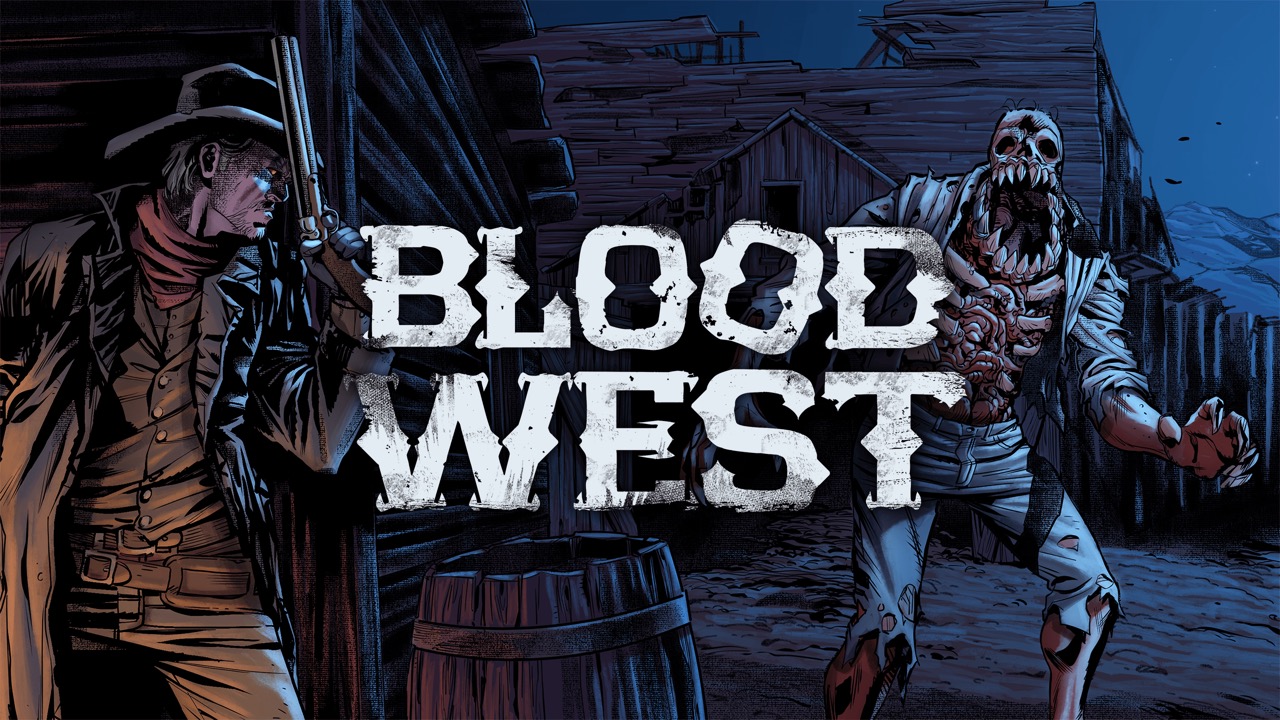
What we did: Test documentation · Patch-day investigation · Controller support design and testing · Performance testing on low-end hardware
1. Test documentation where there was none
Situation. As deadlines approached, testing was inconsistent because nobody had a shared list of what to check and how.
What we did. We read the design documentation and wrote test cases, checklists and workflows matched to the game’s systems, so any tester could run the same pass.
Result. Testing became repeatable. Fewer things slipped through, and the studio kept the documentation for later releases.
2. Patch day: enemy AI breaks, cause found in the NavMesh
Situation. On patch release day enemy AI started behaving erratically. The cause was not obvious and the clock was running.
What we did. Our most experienced tester took the build and traced the behavior to the navigation mesh, which had been corrupted during recent changes.
Result. The developers shipped a focused fix instead of rolling the whole patch back.
3. Controller support from nothing to shipping
Situation. The game had no controller support, and players who plugged one in got inconsistent input and missing prompts.
What we did. We worked with the developers on a control scheme, mapped every action, and verified that prompts switched correctly when a controller was connected.
Result. The game launched with full controller support.
4. Performance on PCs the studio did not own
Situation. The game ran well on high-end machines and dropped frames, stuttered and loaded slowly on modest ones.
What we did. We played on a range of lower-end PCs and laptops, logged frame times and memory, and isolated the scenes where it struggled.
Result. The developers optimized rendering and memory in those scenes, and the game shipped with broader hardware compatibility.
What this means for your launch. The NavMesh incident is why the Patch Day QA Checklist has a “changed areas” section. Patches break the things nobody considered risky.