Frozenheim
Procedural map testing, multiplayer stress tests that stabilized online play, QA for a major update and a French localization review.
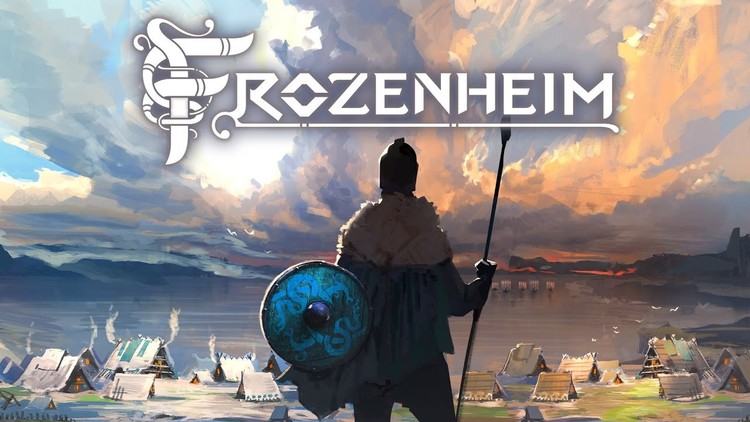
What we did: Procedural map testing · Multiplayer stress testing · Major update QA and balance feedback · Localization review (French)
1. Random maps that are always playable
Situation. Players reported inconsistent map quality in multiplayer: inaccessible areas, unbalanced starts, broken progression on some seeds.
What we did. We ran a high volume of sessions across generated maps and documented every case where generation broke the game, with seeds and screenshots.
Result. The developers fixed the generation logic at the source rather than patching individual maps.
2. Multiplayer stress tests
Situation. Lag, disconnects and crashes in online matches. Early signs pointed at unit counts, but nobody had numbers.
What we did. Together with the developers we designed stress scenarios, increased unit counts and interactions step by step, and logged where sessions degraded.
Result. With clear data the team optimized network handling and resource management, and online play stabilized.
3. A major update tested beyond bugs
Situation. An update changed core mechanics, balance and strategies, with the community watching.
What we did. We tested the new content and mechanics and added balance and usability feedback alongside the bug reports.
Result. The update launched without a rollback and with balance the community accepted.
4. French localization review
Situation. French players noticed translation mistakes and inconsistent terminology.
What we did. Our native French speaker reviewed the full French text in context and corrected errors and awkward phrasing across narrative, UI and dialogue.
Result. The French version matched the quality of the other languages.
What this means for your launch. Multiplayer problems get fixed faster when the tester brings numbers. “It lags with lots of units” is a complaint; “sessions degrade above N units with this interaction” is a bug report.